
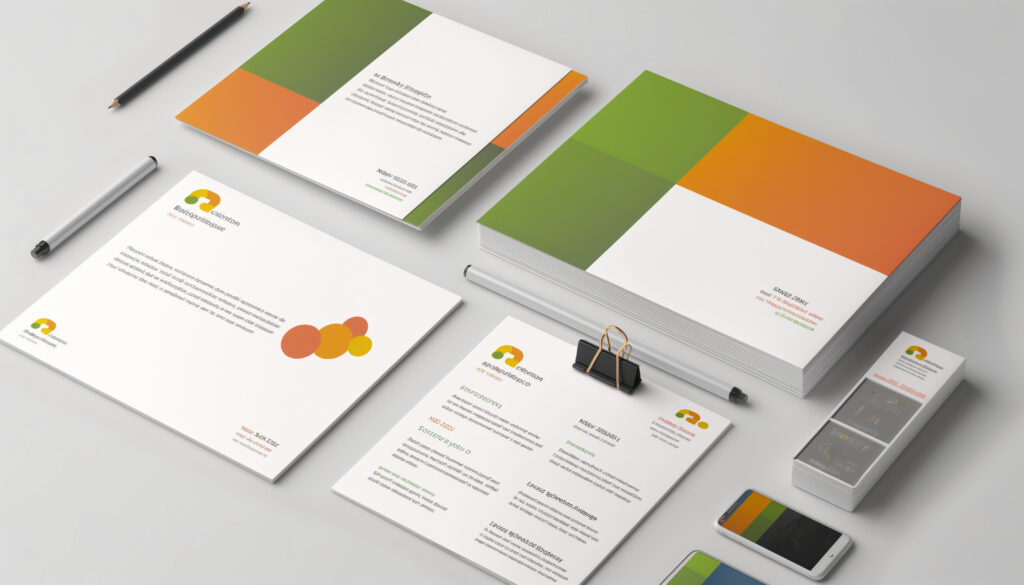
Many businesses think branding starts and ends with a logo. In reality, the logo is only one piece of a system. In 2026, a “modern brand” is one that stays consistent across platforms—website, social, email, print, proposals, presentations—and can be executed quickly without reinventing the wheel every time. That’s what a modern brand kit is for: it gives you the rules, assets, and templates needed to keep your brand recognizable and professional everywhere it shows up.
Below is what every business should have (the essentials), plus what’s optional depending on your growth stage.
The Essentials (every business should have these)
1) Logo files (the right ones)
At minimum, you need:
-
Primary logo (full version)
-
Simplified logo (icon or horizontal lockup)
-
One-color versions (dark/light)
-
Proper file formats (SVG/PNG/PDF as needed)
Why it matters: Using the wrong file type creates blurry logos and inconsistent execution.
2) Color palette with exact values
A modern brand kit includes:
-
Primary brand colors
-
Secondary/accent colors
-
Neutrals (gray scale)
-
Values for HEX, RGB, and CMYK
Why it matters: Without exact values, every new asset becomes a “new shade.”
3) Typography rules (not just fonts)
It’s not enough to pick fonts—you need usage guidance:
-
Headline font + weights
-
Body font + weights
-
Basic hierarchy rules (H1/H2/H3/body sizing)
-
Spacing guidance (line height)
Why it matters: Typography is one of the strongest consistency signals.
4) Brand voice basics
Even visual brands need a voice system:
-
4–6 adjectives that describe your tone
-
A few example phrases you use often
-
A few “avoid” examples
Why it matters: Tone inconsistency can make the same company sound like three different businesses.
5) Core layout + spacing rules
This doesn’t need to be complicated. A simple system:
-
Spacing scale (small/medium/large)
-
Alignment preference (left-aligned vs centered)
-
Grid use (especially for social and brochures)
-
Basic do/don’t examples
Why it matters: Layout consistency is the difference between “professional” and “random.”
6) A starter template set
If you only invest in one thing beyond the logo, make it templates. Essentials:
-
Letterhead or document header
-
One-pager / flyer template
-
Simple social template set (3–5 layouts)
-
Presentation template (cover + section + content layouts)
-
Email signature or banner (if used regularly)
Why it matters: Templates reduce production time and keep your brand consistent without constant redesign.
The Growth Add-Ons (highly recommended as you scale)
7) Icon system and visual elements
Consistent icons, lines, shapes, and graphic styles make your brand instantly recognizable.
Best practice: Keep icons within one family/style (stroke weight, corner radius, fill rules).
8) Image direction guide
Define your visual direction:
-
photography style (lighting, composition)
-
illustration style (flat, outlined, textured)
-
treatment rules (filters, overlays, crops)
Why it matters: Image inconsistency is one of the fastest ways to make a brand feel messy.
9) Web-ready brand components
For brands investing in digital growth:
-
button styles
-
form styles
-
headings and spacing rules
-
component examples (cards, testimonials, feature blocks)
Why it matters: Consistent web components improve UX and make future pages easier to build.
Optional (invest when it matches your goals)
10) Full brand guidelines document
A polished brand guide is helpful—especially with teams or agencies—but not always necessary early on.
If you’re small, a “brand kit folder + quick rules page” can be enough.
11) Motion/animation guidelines
If you create video content, motion rules bring consistency:
-
intro/outro animations
-
transitions
-
lower-thirds/title cards
12) Print production standards
If print is a big part of your brand, add:
-
paper recommendations
-
finishes (matte/gloss/soft-touch)
-
bleed and safe margin standards
-
color notes for accuracy
The simple test: Do you have a brand kit or just a logo?
If your team frequently asks:
-
“Which logo do we use?”
-
“What’s the hex code?”
-
“Do we have a slide template?”
-
“Can you make this match the website?”
…you don’t just need design help—you need a brand kit.
Final thought
A modern brand kit makes marketing easier. It reduces revisions, speeds up production, improves consistency, and increases trust.
If you want to build a streamlined brand kit that fits your business stage, myVisualConcept can create the core assets and templates needed to keep your brand consistent across print and digital.



“As a small business, having a design partner we can rely on is invaluable. myVisualConcept handles all our creative needs — from social media graphics to seasonal promotions — with consistency, professionalism, and a deep understanding of our brand.”